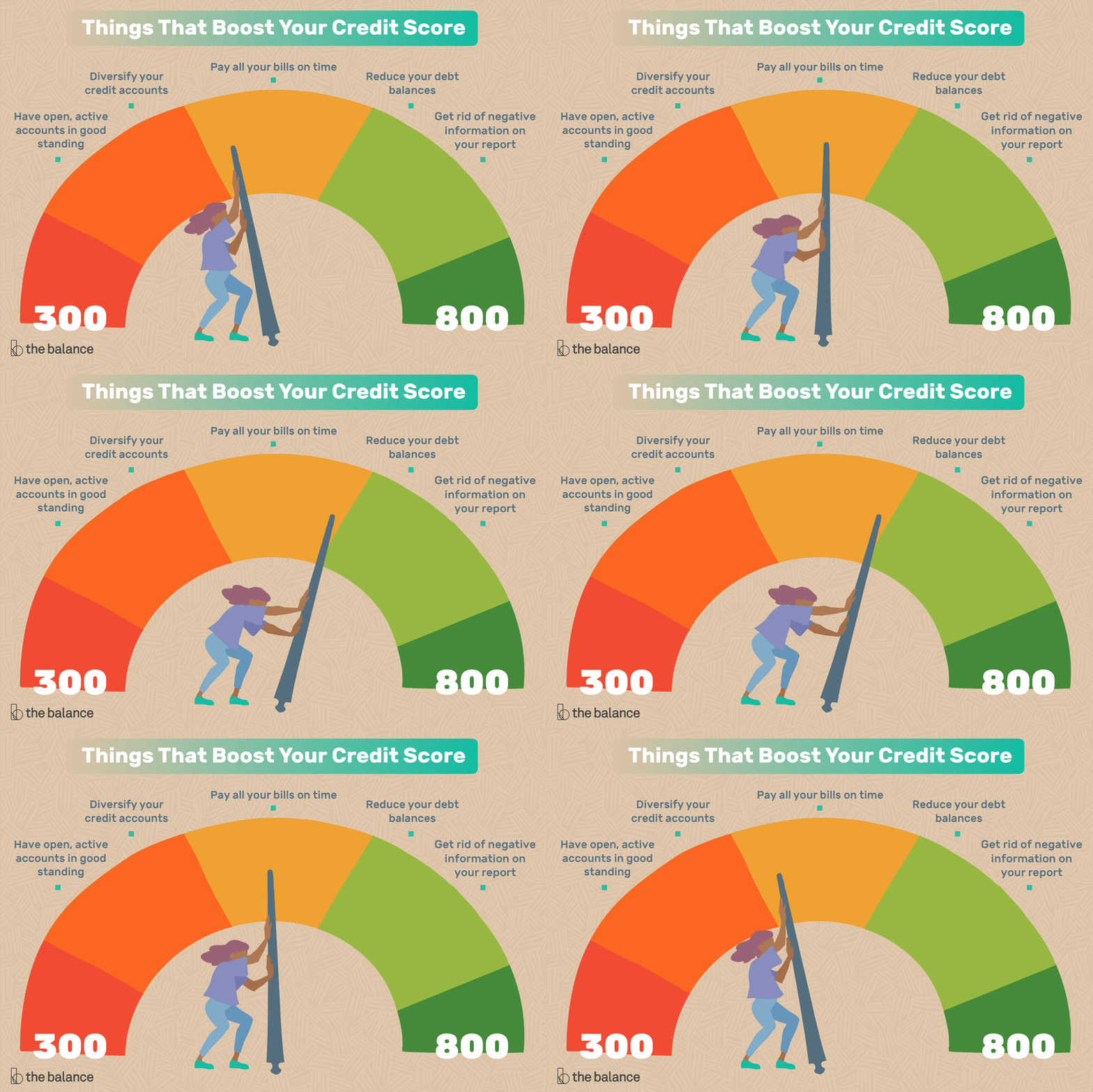
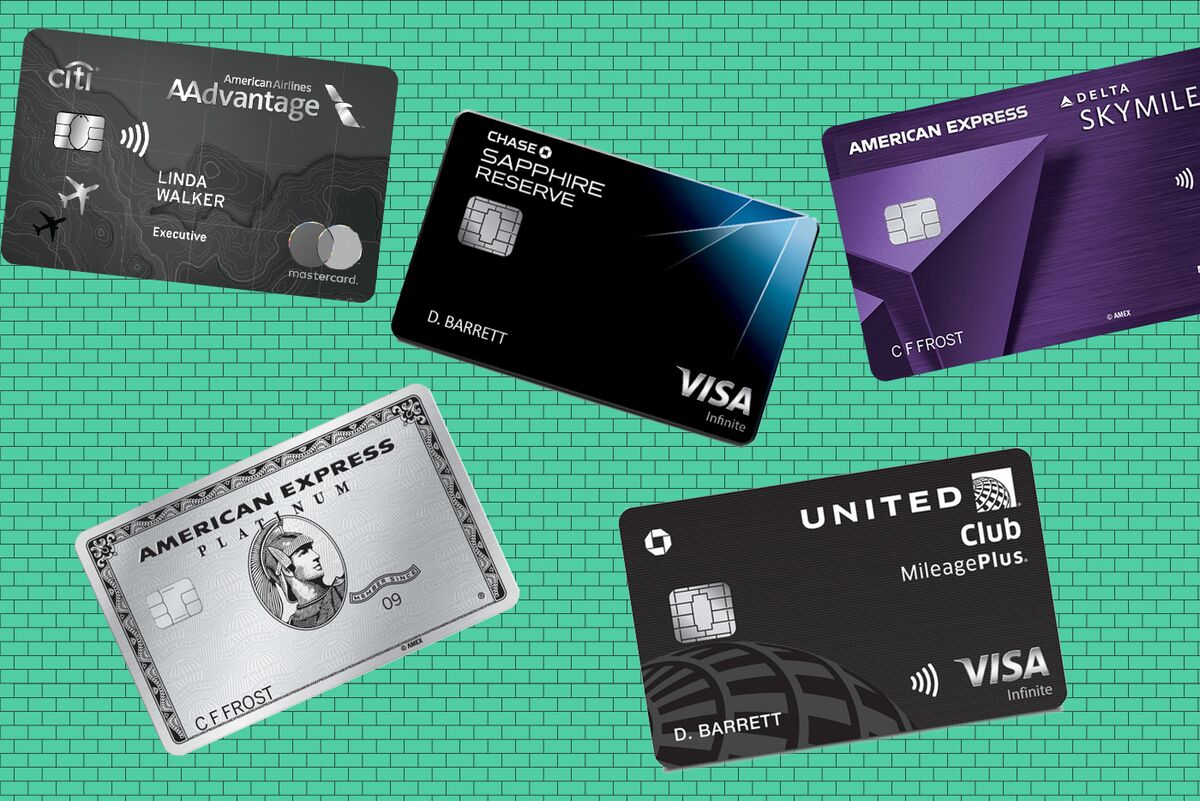
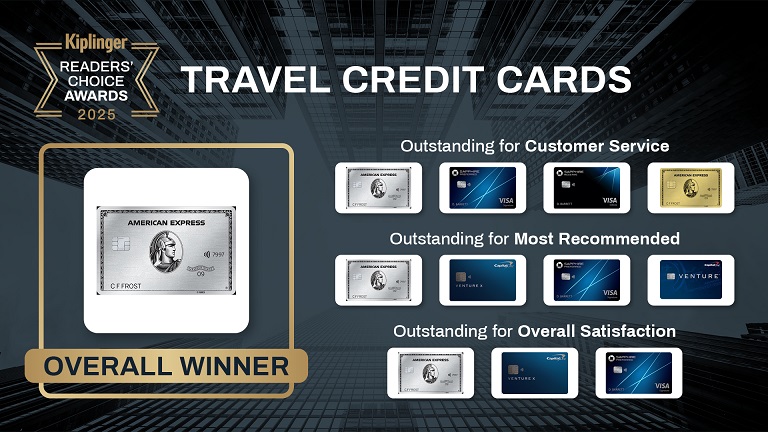
Building your credit score can feel overwhelming, but the right strategy can help you achieve results quickly. If you are a beginner, using a credit card wisely is one of the fastest ways to build credit score and unlock better financial opportunities.
Why Credit Score Matters
Your credit score determines your ability to get loans, rent apartments, or even land certain jobs. A higher score means lower interest rates, better approval odds, and more financial freedom.
How a Credit Card Helps You Build Credit
On-time payments: Each payment you make is reported to credit bureaus.
Credit history length: The sooner you start, the longer your history grows.
Diverse accounts: Credit cards add variety to your credit profile.
5 Best Ways to Build Credit Score Fast
1. Always Pay on Time
Payment history makes up 35% of your credit score. Setting up autopay ensures you never miss a due date.
2. Keep Your Utilization Low
Try to use less than 30% of your credit limit. For example, if your limit is $1,000, keep your balance below $300.
3. Start with a Beginner-Friendly Credit Card
Student cards or secured credit cards are great for building a positive history. Options like Discover it® Secured or Capital One Platinum Secured can help you start safely.
4. Monitor Your Credit Regularly
Use free tools such as Credit Karma or your card’s FICO® score updates to track progress and spot mistakes.
5. Avoid Applying for Too Many Cards
Each new application triggers a “hard inquiry,” which can temporarily lower your score. Focus on building with one or two cards first.
Common Mistakes to Avoid
Maxing out your card limit
Missing payments
Closing old accounts too quickly
Applying for multiple cards at once
Conclusion
Using a credit card wisely is the fastest way to improve your credit score. Pay on time, spend responsibly, and monitor your progress. With consistent habits, you’ll see positive results in just a few months.
Best Credit Cards for Beginners in the USA — 2025 Guide
Learn how to choose your first credit card, build credit safely, and avoid common beginner mistakes.
Begin smart: choose a starter card that matches your goals (cashback, low fee, or building credit).
Why picking the right first card matters
Getting your first credit card is an important step in personal finance. A good starter card helps you build a strong credit history, access useful benefits, and avoid unnecessary fees. The wrong choice can lead to high costs, debt, and a damaged credit score.
How we evaluate cards for beginners
When recommending starter cards, focus on these criteria:
Credit score requirement: Cards for beginners typically accept applicants with no or limited credit history.
Fees: Look for low or no annual fee and sensible penalty fees.
APR: Interest rate matters only if you carry a balance — plan to pay in full monthly if possible.
Rewards & benefits: Simple cashback or introductory bonuses can be useful, but avoid chasing rewards if it increases costs.
Tools & education: Good issuers provide credit monitoring, clear statements, and educational resources for first-time cardholders.
Quick comparison: What to look for (at a glance)
Card type
Best for
Typical pros
Watch outs
No-credit / Secured cards
Building credit from zero
Accessible approval, refundable security deposit
Lower credit limits, sometimes fees
Student cards
Students with limited history
Lower fees, educational perks
Rewards usually modest
Cashback starter cards
Everyday spending
Simple rewards, offsets small expenses
Some require decent credit
Step-by-step: How to choose your first credit card
1. Decide your goal
Are you trying to build credit, earn a little cashback, or cover emergencies? Your goal determines the best card type.
2. Check your credit (or lack of it)
If you have no credit history, start with secured or student cards. If you have a limited record, look for cards that accept ‘fair’ credit.
3. Compare fees and APR
Prefer low annual fees (or none) and reasonable penalty terms. APR is only relevant if you plan to carry a balance — best practice is to pay in full each month.
4. Look for clear issuer tools
Choose providers that offer credit-building tools, notifications, easy online management, and good customer support.
5. Read the fine print
Watch for foreign transaction fees, introductory APR periods, and how the issuer reports to the credit bureaus (important for building credit).
Tips to build credit quickly and safely
Pay on time, every time. Payment history is the single biggest factor in your credit score.
Keep utilization low. Use less than 30% of your available credit to show responsible behavior (ideally under 10% for fastest growth).
Use the card regularly. Small recurring charges (subscription, groceries) and automatic payments help establish activity.
Monitor your credit report. Check for errors and understand how accounts affect your score.
Avoid applying for many cards at once. Multiple hard inquiries can temporarily lower your score.
Common beginner mistakes (and how to avoid them)
Carrying a balance: Interest can erase any rewards you earn. Aim to pay statement balance in full.
Ignoring due dates: Set up autopay or reminders to avoid late payments.
Choosing rewards over affordability: Don’t pick a card with high fees just for rewards you won’t use.
Not checking reporting: Confirm issuer reports to all three major credit bureaus (Equifax, Experian, TransUnion).
How to upgrade later
Once you have a longer history and good payment record, you can look for cards with bigger rewards or lower fees. Many issuers allow product changes (upgrade/downgrade) without a hard pull — contact your issuer to learn options.
Apply with confidence — checklist
Before you hit Apply, make sure you:
Meet the issuer’s minimum credit requirement (check issuer guidance).
Have your Social Security Number and proof of income ready.
Understand fees, interest and grace periods.
Plan to pay the statement balance in full each month.
Next steps
If you want, I can:
Prepare a list of 5 current starter cards (I can research live offers and add them with links and up-to-date perks).
Create a short downloadable Beginner’s Credit Checklist you can offer as a lead magnet.
Write the follow-up posts: “How to build credit in 6 months” and “Top no-annual-fee cashback cards for beginners”.
If you’d like me to fetch and insert current 2025 card recommendations (issuer names, exact APR ranges, welcome bonuses), say “Yes — add live card recommendations” and I’ll research the latest offers and add them with sources.
Call-to-action: Want this article published and formatted on your WordPress site? I can deliver the post with properly optimized meta tags, featured image suggestions, and category/tags set.
Collectible cards have captured the hearts of enthusiasts worldwide. Whether you’re a casual collector, an aspiring investor, or just curious about the trading card market, understanding the fundamentals is key to building a successful collection. In this guide, we’ll explore the best strategies for collecting, buying, and selling cards while highlighting the latest market trends.
Why Collectible Cards Are More Popular Than Ever
The surge in popularity of collectible cards, from sports cards to trading card games, is driven by both nostalgia and investment potential. Rare cards can fetch impressive prices at auctions, making them attractive not only for fun but also as alternative investments.
Sports cards – baseball, basketball, football, and more.
Trading card games – Pokémon, Magic: The Gathering, Yu-Gi-Oh.
Limited edition and promotional cards – highly sought after by collectors.
Tips for Beginners: Starting Your Collection
Starting a collection can be overwhelming due to the variety of cards available. Here are some essential tips:
Research the Market: Understand which cards hold value and why.
Set a Budget: Avoid overspending in the beginning; start small.
Focus on Condition: Mint condition cards are more valuable.
Join Collector Communities: Forums and social media groups provide valuable insights and trading opportunities.
Buying and Selling Cards: Strategies for Success
Knowing where and how to buy and sell cards is crucial. Consider these strategies:
Use trusted marketplaces like eBay, TCGPlayer, and local hobby shops.
Attend card conventions and expos to discover rare cards.
Keep track of market prices using apps and online tools.
Be patient: Some investments take years to reach peak value.
Investing in Rare Cards
Investing in cards requires careful selection. Look for:
Limited editions and first releases.
Graded cards from trusted organizations (e.g., PSA, Beckett).
Cards with historical significance or iconic players.
Remember, the card market is volatile. Diversifying your investments and keeping long-term perspective is key.
Maintaining and Protecting Your Collection
Proper care preserves your collection’s value:
Store cards in protective sleeves and cases.
Keep away from direct sunlight, moisture, and extreme temperatures.
Regularly check for wear and tear.
Consider insurance for highly valuable cards.
Final Thoughts
Collectible cards are more than just hobby items; they can be cultural artifacts and investment assets. By following the right strategies, researching the market, and protecting your collection, you can enjoy the thrill of collecting while building a potential source of value. Start small, learn continuously, and engage with the collector community to maximize your experience.
Ready to start your card collection journey? Explore CardHubZone for expert tips, marketplace insights, and the latest collectible trends.
Choose the right travel card to earn miles, get lounge access, and save on trips.
Traveling has become more rewarding than ever in 2025. Whether you fly frequently for business or love planning family vacations, the right travel credit card can save you money, offer premium perks, and unlock valuable rewards. From free airport lounge access to bonus miles and flexible redemption options, a travel credit card is a must-have for savvy travelers.
Why Choose a Travel Credit Card?
Before diving into the top options, let’s quickly review why travel credit cards are worth it in 2025:
Earn Miles & Points – Every dollar you spend can turn into miles or points for flights, hotels, or car rentals.
Travel Perks – Free checked bags, priority boarding, airport lounge access, and hotel upgrades.
Insurance Protection – Many cards offer travel insurance, trip cancellation coverage, and rental car protection.
Exclusive Offers – Discounts on flights, hotel stays, and dining experiences.
Best Travel Credit Cards in 2025
1. Chase Sapphire Preferred® Card
Welcome Bonus: 60,000 points after spending $4,000 in the first 3 months.
Rewards: 2x points on travel and dining, 1x on everything else.
Annual Fee: $95
Best For: Frequent travelers looking for flexible redemption options through Chase Ultimate Rewards.
2. Capital One Venture Rewards Credit Card
Welcome Bonus: 75,000 miles after spending $4,000 in 3 months.
Rewards: 2x miles on every purchase.
Annual Fee: $95
Best For: Simple earning system and flexible redemption.
3. American Express® Gold Card
Welcome Bonus: 60,000 Membership Rewards® Points after spending $6,000 in 6 months.
Rewards: 4x points on restaurants, 3x on flights booked directly.
Annual Fee: $250
Best For: Food lovers who also travel frequently.
4. Citi Premier® Card
Welcome Bonus: 60,000 points after $4,000 spend in 3 months.
Rewards: 3x points on air travel, hotels, and dining.
Annual Fee: $95
Best For: Balanced everyday and travel spending.
5. The Platinum Card® from American Express
Welcome Bonus: 80,000 Membership Rewards® Points after $8,000 spend in 6 months.
Rewards: 5x points on flights and prepaid hotels.
Annual Fee: $695
Best For: Luxury travelers who value lounge access, elite hotel status, and premium perks.
How to Pick the Right Travel Credit Card for You
Choosing the best card depends on your travel habits:
Frequent Flyers – Premium cards with lounge access and priority boarding are worth it.
Casual Travelers – A low-fee card with flexible redemption is enough.
Food & Lifestyle – Cards with dining rewards are perfect if you eat out often.
Luxury Travelers – Consider premium cards with luxury hotel and airline perks.
Final Thoughts
The best travel credit cards in 2025 can transform the way you travel, from saving hundreds on flights to enjoying VIP airport lounges. Whether you’re seeking simplicity, maximum rewards, or premium benefits, there’s a card for every traveler.
How to Build Credit Fast in the U.S. - 2025 Proven Methods
A strong credit score opens doors to better credit cards, lower interest rates, and financial freedom. If you’re starting from scratch or rebuilding credit, these 2025-approved strategies will help you boost your FICO® Score quickly and safely.
Building credit fast requires the right tools and knowledge (Image: Unsplash)
Why Your Credit Score Matters in 2025
Recent changes in credit scoring models make it even more crucial to manage your credit wisely:
Rent payments now count toward your score with Experian Boost™
Utility companies report payments to all 3 bureaus
780+ scores get the best mortgage rates amid high interest
Find the best credit cards for groceries, gas, dining, and travel in 2025. Compare top U.S. cards with rewards and low interest.
Choosing the right credit card can help you save money and earn valuable rewards on your daily purchases. Whether you’re shopping for groceries, filling up your gas tank, or dining out, there are several credit cards tailored to fit your lifestyle and spending habits in the U.S. In this 2025 guide, we’ll explore the top credit cards for everyday use, including key benefits, rewards programs, and who they’re best suited for.
Best Credit Cards for Everyday Spending in the U.S. (2025 Edition)
Published: July 1, 2025 Author: CardHubZone Editorial Team Category: Credit Cards
Introduction
Finding the best credit cards for everyday spending in 2025 can feel like navigating a maze. With thousands of options out there, each offering unique perks, rewards, and interest rates, how can you be sure you’re picking the right one?
Whether you’re shopping for groceries, commuting to work, eating out, or streaming your favorite shows, the right credit card can help you save money, earn rewards, and build your credit.
This guide compares the top credit cards in the U.S. for daily expenses, helping you make an informed choice for your wallet.
Why Choosing the Right Credit Card Matters
Earn cash back on purchases you’re already making
Pay low interest rates or benefit from 0% APR offers
Avoid annual fees
Build your credit score over time
Top 5 Best Credit Cards for Everyday Spending in 2025
1. Chase Freedom Unlimited®
Cashback: 1.5% unlimited on every purchase
Bonus: $200 after spending $500 in first 3 months
APR: 0% for 15 months, then 20.49%–29.24%
Best for: Flat-rate rewards with no annual fee
2. American Express Blue Cash Everyday®
Rewards: 3% on groceries, gas, and online shopping
Annual Fee: $0
APR: 0% intro for 15 months
Best for: Families and household spending
3. Citi® Double Cash Card
Cashback: 2% total (1% when you buy, 1% when you pay)
Balance Transfer: 0% for 18 months
Best for: High flat-rate cashback earners
4. Discover it® Cash Back
Rewards: 5% on rotating categories
Cashback Match: Double all cashback in the first year
Best for: Category spenders
5. Capital One QuicksilverOne®
Cashback: 1.5% on all purchases
Annual Fee: $39
Best for: Users with fair credit wanting to earn rewards
Comparison Table
Card Name
Cashback Rate
Annual Fee
Bonus
Best For
Chase Freedom Unlimited
1.5% flat
$0
$200
Everyday use
Amex Blue Cash Everyday
3% groceries/gas
$0
Varies
Family purchases
Citi Double Cash
2% total
$0
N/A
Flat-rate spenders
Discover it Cash Back
5% rotating
$0
Cashback Match
Category spenders
Capital One QuicksilverOne
1.5% flat
$39
N/A
Fair credit users
Tips for Choosing the Best Credit Card
Match your card with your spending habits
Pay off your balance monthly to avoid interest
Watch out for hidden fees
Start with one card and build responsibly
Common Mistakes to Avoid
Applying for too many cards too quickly
Overspending and carrying high balances
Missing payments
Choosing the wrong reward structure
When to Upgrade Your Card
As your credit improves, consider upgrading to premium cards with better rewards or applying for a second card to boost your total credit limit and reduce utilization.
Conclusion
There is no one-size-fits-all credit card. Choosing the right one depends on how you spend, what you value (cashback, travel rewards, no fees), and your current credit score. Use this guide to compare cards and make the smartest financial choice in 2025.